Blog
Insights on AI agent evolution, protocol releases, and research.
RSS
Start Here
Your Skill Has a Ceiling You Don't Know About
Turn any ClawHub Skill into a Gene, compile it, and let Arena score it. Five minutes to find your ceiling.
What Rotifer Means When It Says It Doesn't Do Alignment
'AI alignment' refers to at least three different things in industry usage, and they have completely different solutions. Rotifer Protocol does exactly one of them — V(g) static code safety. The other two belong to layers above the protocol.
Before AI Capability Can Live in Hardware, There Must Be a Protocol
Existing AI infrastructure has agreements at the call layer, but no protocol layer to answer four questions about a capability: what substrate it runs on, at what fidelity, who verifies it, and whether it can migrate safely. This essay discusses that missing meta-protocol layer.
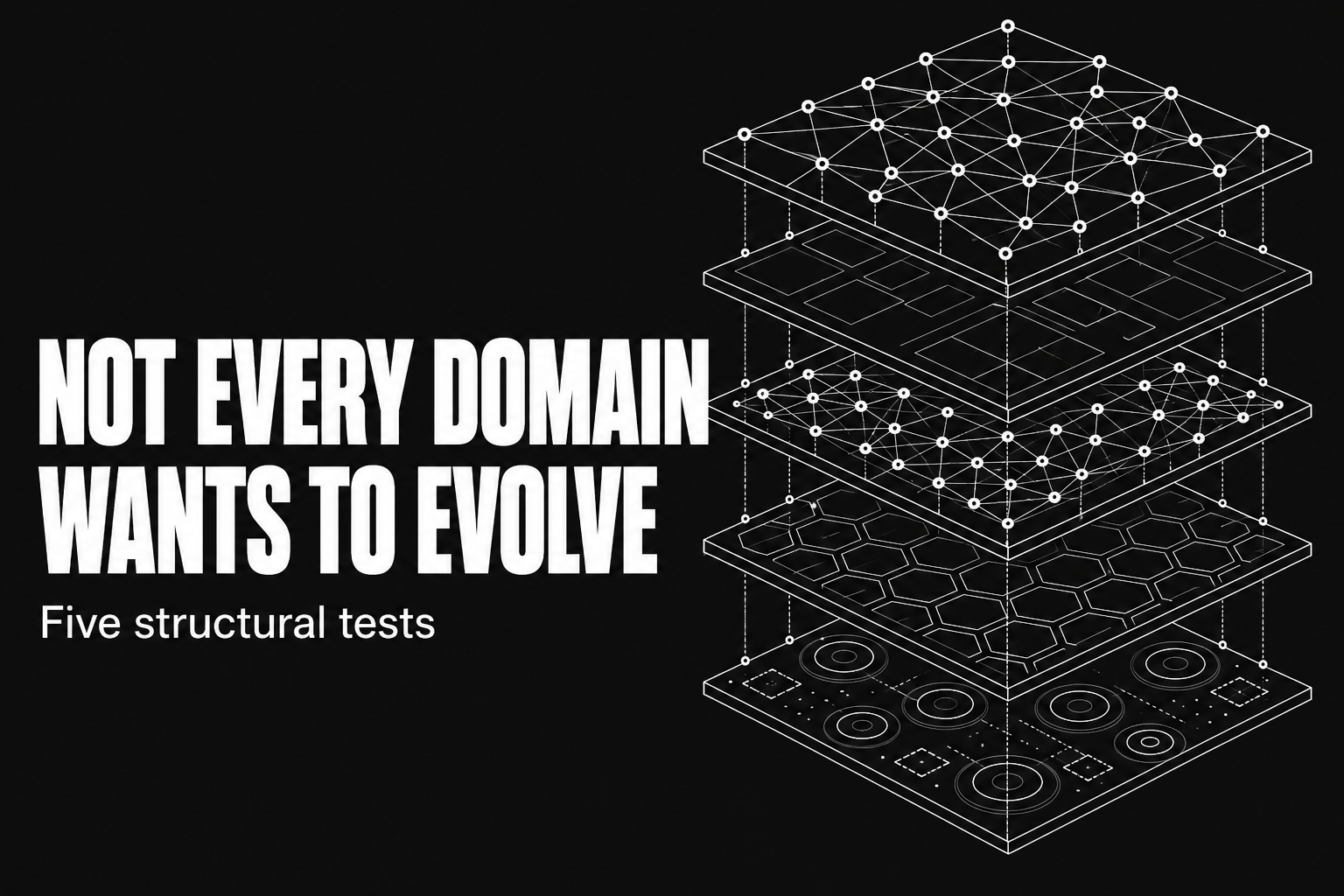
Not Every Domain Wants to Evolve — Five Structural Tests
Evolutionary search keeps getting reinvented. But it only works in domains with five specific structural properties. Here's a test.
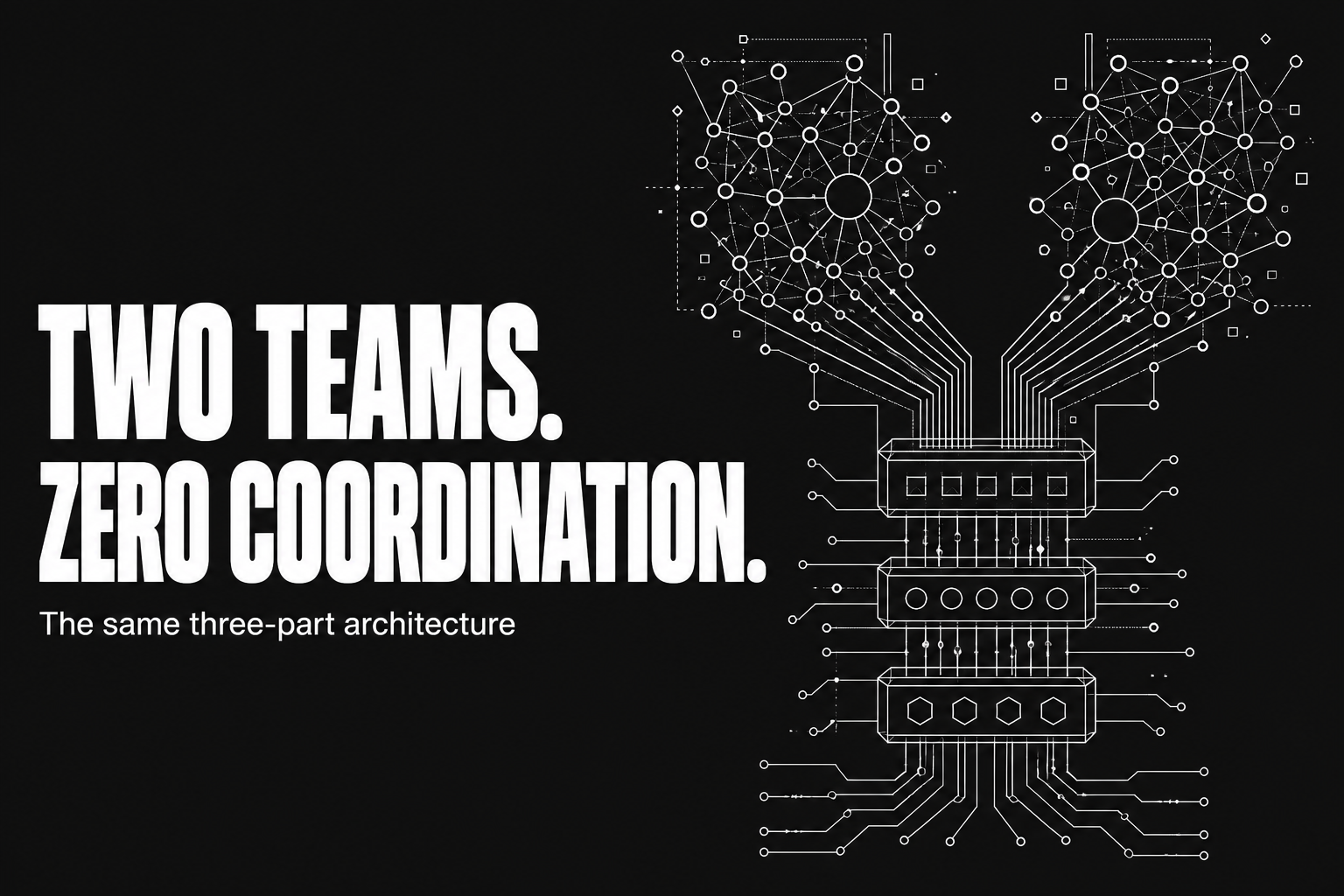
The Meta-Harness Convergence — Why AI Agent Teams Keep Rebuilding the Same Architecture
Different teams keep building the same agent architecture. Anthropic's Managed Agents reveals why — and where the real divergence lies.
Brains Don't Evolve Alone — Why Agentic LLMs Need Evolution Infrastructure
Agentic LLMs are getting smarter. But intelligence without evolutionary pressure produces static capability. Here's why the AI agent ecosystem needs both brilliant brains and a system that lets capabilities compete, propagate, and die.
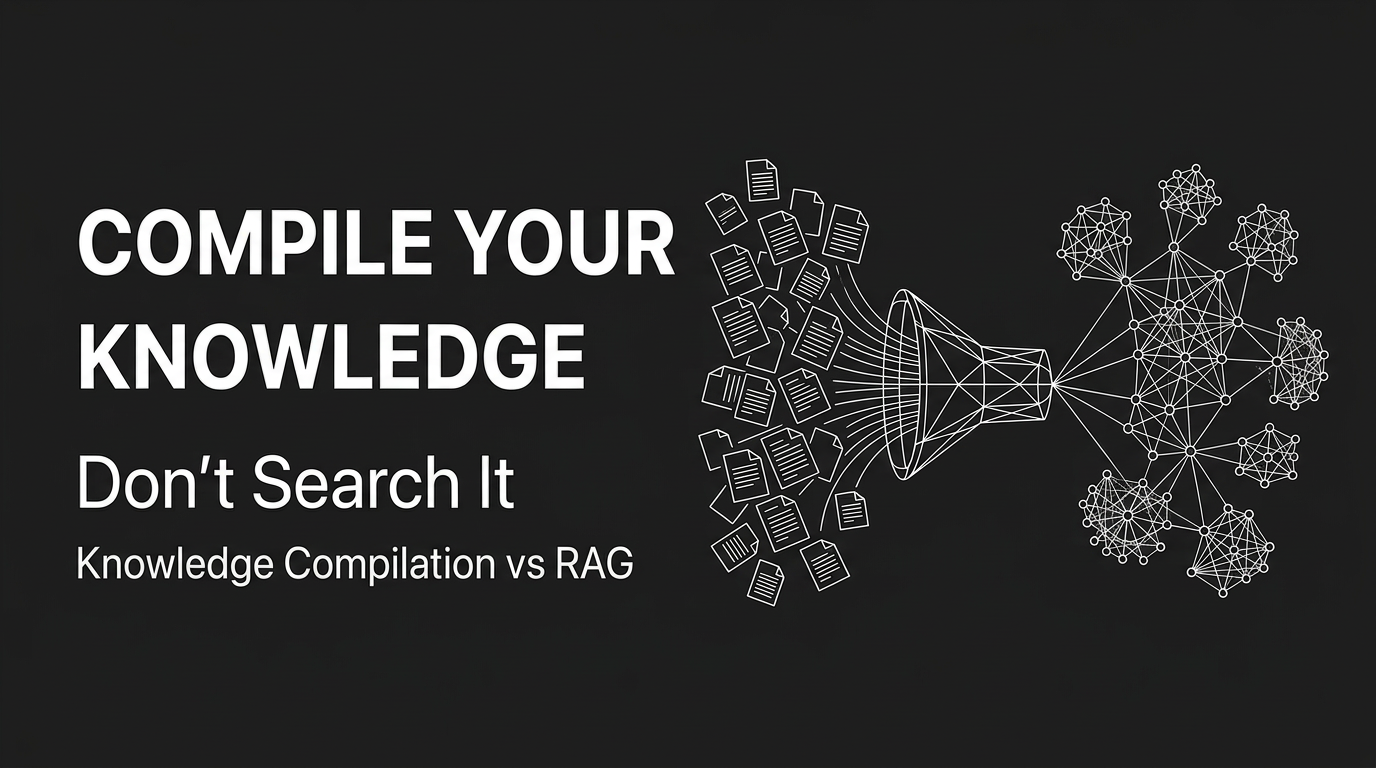
Compile Your Knowledge, Don't Search It
RAG retrieves fragments. Knowledge compilation builds structured, evolving wikis. The difference matters when agents need memory.
Most AI Agents Are Sessions. Rotifer Agents Are Executable Genomes.
Most AI agents are LLM sessions with tool hooks. A Rotifer agent is an executable genome with portable genes and measurable fitness.
When Code Generation Costs Zero
AI made code generation nearly free. But quality selection stayed expensive. The result: a structural crisis with only fragmented solutions.
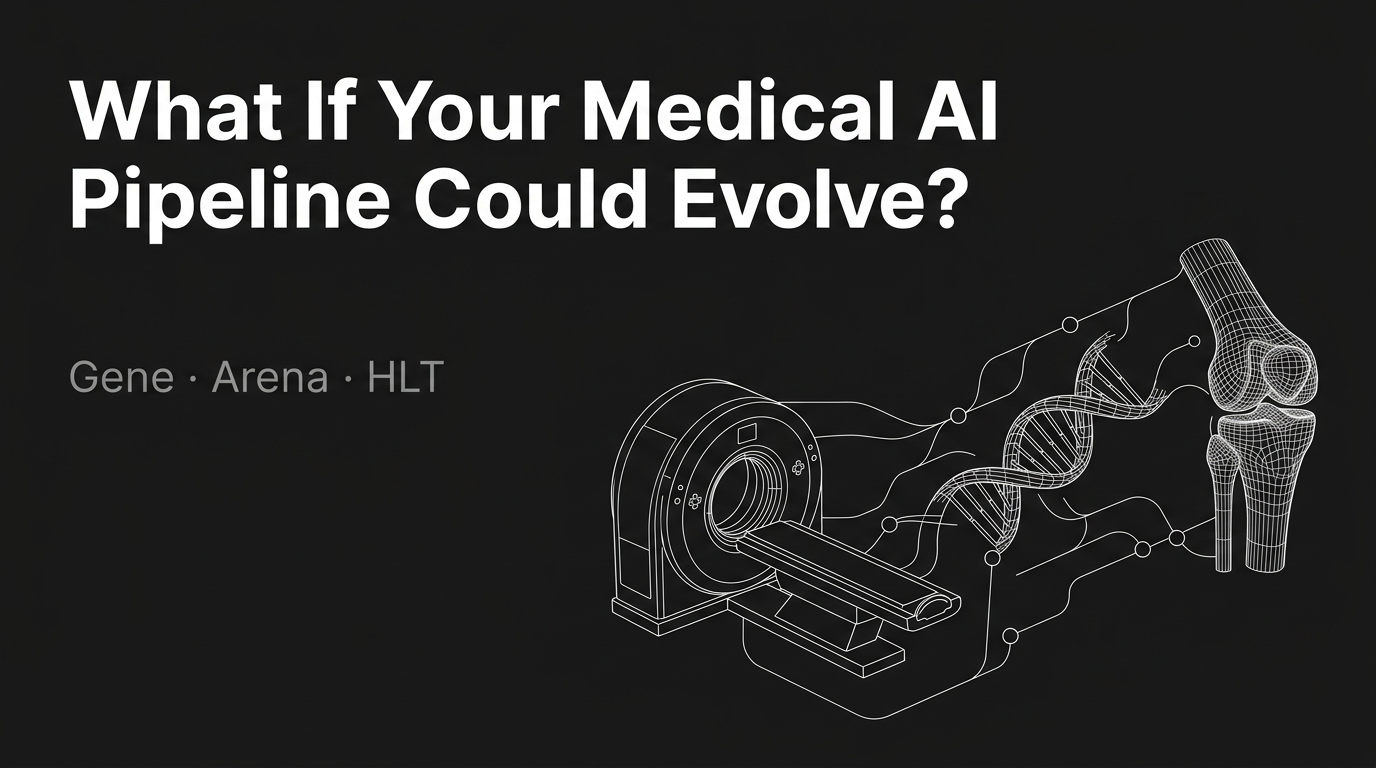
What If Your Medical AI Pipeline Could Evolve?
Personalized orthopedic implant design runs a rigid pipeline: CT scan → segmentation → 3D reconstruction → implant CAD. Every step is a frozen artifact. Here's what changes when you treat each step as a gene.
Skills Are Standardized. Now What?
Anthropic just published 33 pages defining what a Skill is. It's the most rigorous codification of the paradigm to date — and it inadvertently draws the boundary where Skills end and evolution begins.
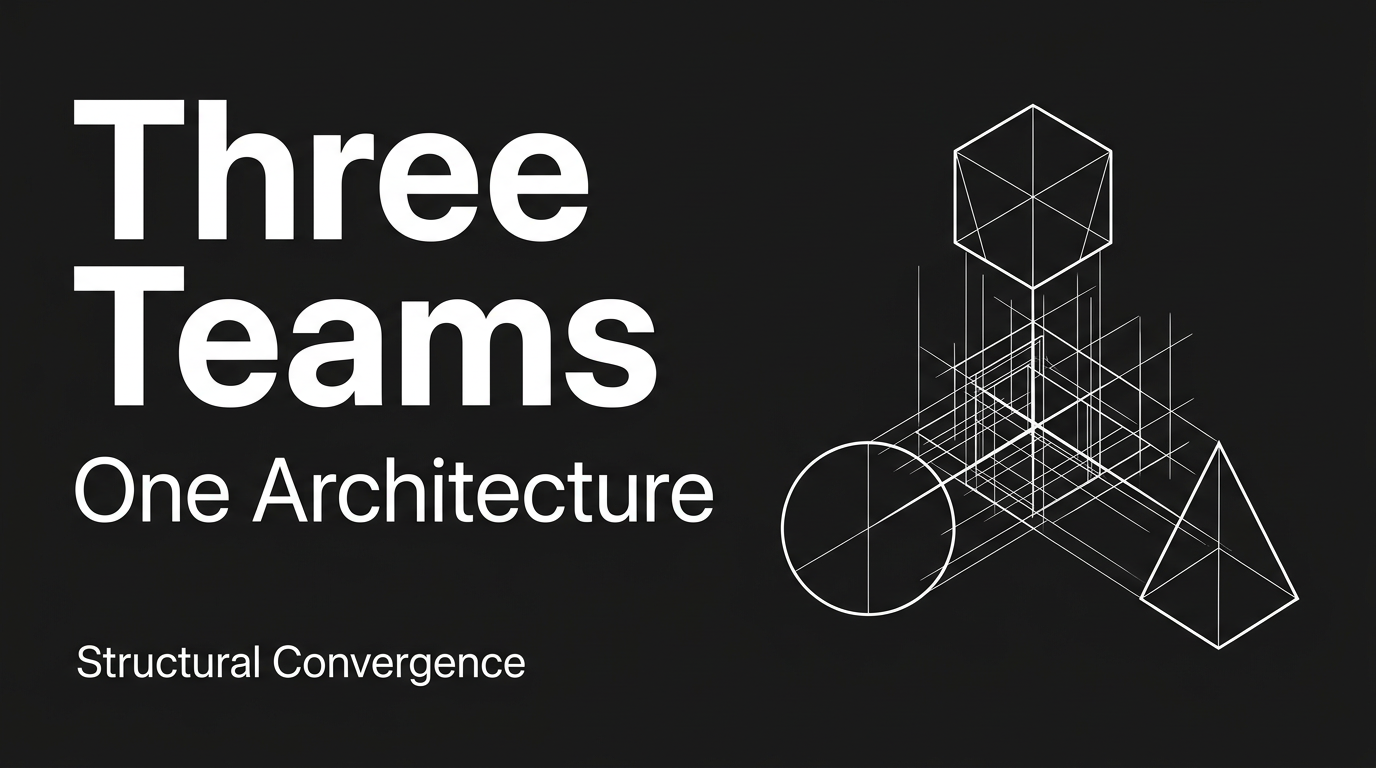
Three Teams, One Architecture: The Structural Convergence of AI Agent Frameworks
Claude Code, OpenClaw, and Hermes Agent were built independently with no coordination. They converged on the same four architectural pillars — and all three skip the same layer.
When Infrastructure Ships a 'Skill'
Alipay released a 'Payment Integration Skill.' When payment rails and AI frameworks use the same word for different things, you need a protocol.
Your Agent Engineering Has an Expiration Date
Compensatory engineering patches model weaknesses and gets deleted when models improve. Systemic engineering outlives every upgrade.
Evolutionary Code Search Beats Humans — The Open Protocol
NVIDIA's AVO outperformed every human GPU expert. AlphaEvolve did it for math. Both are closed. What would an open protocol look like?
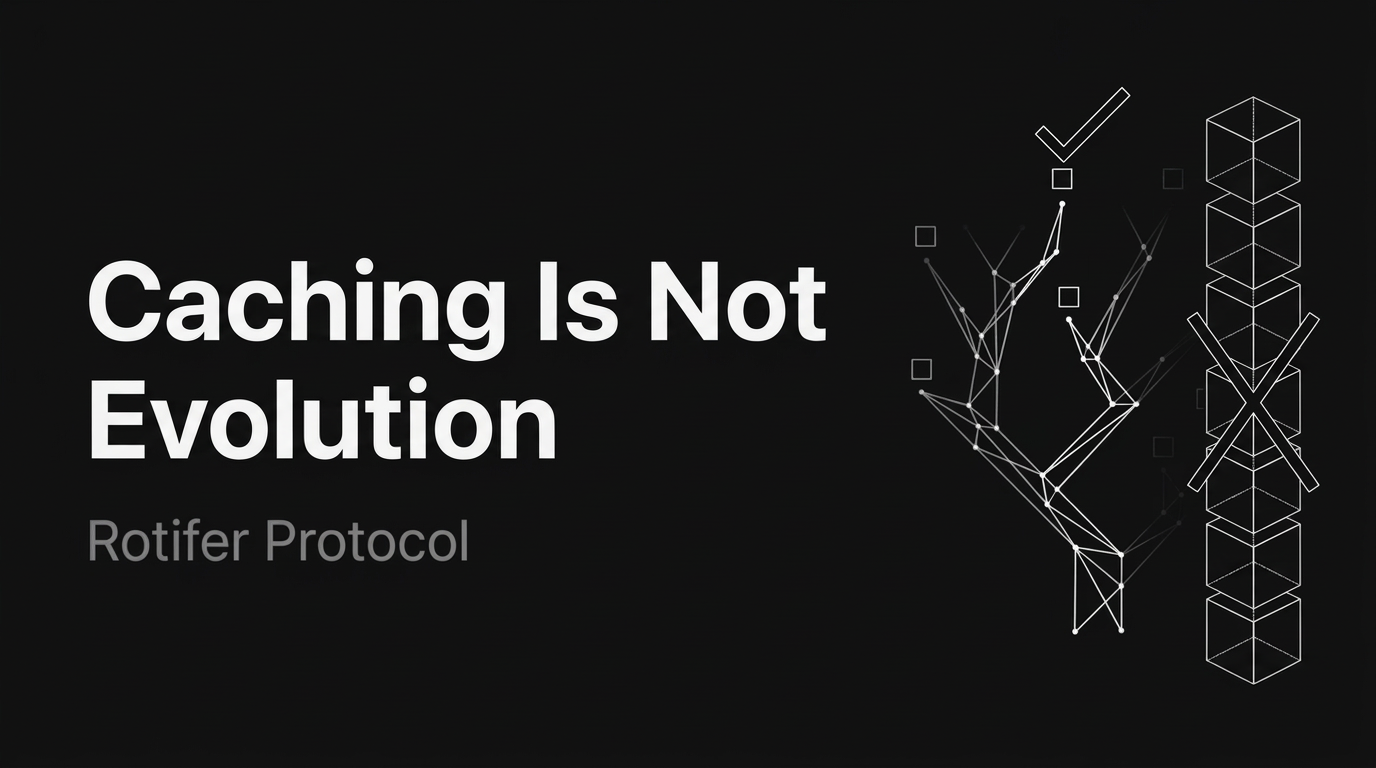
Everyone Claims Self-Evolving AI — Here's What's Missing
The industry is co-opting 'self-evolving' to describe caching patterns. Real evolution requires competition, selection pressure, and elimination. Here's the difference — and why it matters.
Evolution Engineering: The Missing Discipline in AI
Beyond Prompt, Context, and Harness Engineering — who defines what AI can do, and how those capabilities improve? A thesis on the next paradigm.
API Apocalypse: What Happens When Every API Breaks and Your Agent Has to Evolve
We built a chaos engineering experiment for AI agents. The Rotifer Agent auto-switched genes to maintain 83.3% source uptime while the baseline agent collapsed to 33.3%. Zero human intervention required.
We Re-Scanned the Top 50 ClawHub Skills — Things Have Changed
~3× download growth, first CRITICAL findings, 2 top skills delisted, and 34% flagged Suspicious. The ecosystem is growing fast — but trust signals are diverging.
The Interface Stack Has a Missing Layer
Google's Flash-Lite Browser proves agents can generate UI in real time. But when every agent can build a page, who decides which one is good? The answer is evolution.
LiteLLM Was Poisoned
A compromised scanner stole PyPI credentials, poisoning a library with 95M monthly downloads. Hash verification passed. Sandboxing is the only defense.
Is Your Skill Evolving?
Everyone teaches you to package Skills. Nobody tells you what happens when you have 100 recipes all claiming to be the best.
The Agentic Web Needs Evolution Infrastructure
A Berkeley-led research team mapped out the Agentic Web — an internet run by AI agents. Their paper identifies what's needed. Rotifer Protocol builds it.
We Scanned the Top 50 ClawHub Skills — Here's What We Found
88% scored Grade A. Zero CRITICAL findings. But 66% of the most popular AI agent tools contain no code at all — and that raises its own questions.
What Makes a Gene a Gene: Lessons from Our First Community Submission
A developer submitted 50 persuasion formulas as 50 separate Genes. The domain expertise was excellent — the Gene abstraction was wrong.
What If Your Hiring Agent Evolved Like Biology?
Recruitment is a natural selection problem. Gene-based modularity, Arena competition, and skill migration offer a structural alternative.
From ClawHavoc to Trust Shield: How a Security Incident Inspired Trust Infrastructure for AI Agents
1,184 malicious Skills. 300K affected users. And not a single quality metric to prevent it. Here's how we built V(g) safety scanning and trust badges for the Claw ecosystem.

Install vs Evolve: What Plugin Architectures Can't Do
We studied ElizaOS's plugin architecture and found six structural gaps no engineering can close. The missing ingredient is selection pressure.
JSON Templates vs Executable WASM Genes
The AI agent ecosystem converges on 'genes' as modular capabilities. But JSON template vs executable program changes everything about safety.
Agent Architecture Evolution: From Passive Tool Callers to Evolutionary Ecosystems
Three generations of agent architecture — Classic, OpenClaw, Rotifer Protocol — reveal a trajectory from reactive tool calling to self-evolving gene ecosystems. We trace the structural evolution.
Why Inference Compression Compounds for Modular Agents
Google's TurboQuant compresses KV cache 6× with zero accuracy loss. For modular agents with separate inference calls, savings multiply.
From autoresearch to Collective Evolution
Karpathy's autoresearch shows natural selection in ML training. What happens when agent discoveries can propagate across an ecosystem?
Compete in the Arena: Optimizing Fitness
Advanced tutorial: submit your gene to the Arena, analyze F(g) and V(g) scores, iteratively improve performance, and climb the rankings.
Compose Multi-Gene Agent Pipelines
Advanced tutorial: build a search → summarize → format pipeline using Seq, Par, Cond, and Try operators. Learn how gene algebra turns simple genes into powerful agent workflows.
Build a Production Hybrid Gene
Advanced tutorial: create a gene that calls external APIs through the Network Gateway with domain whitelisting, rate limiting, and graceful error handling.

From Skill to Gene: A Migration Walkthrough
Turn your existing Cursor or Codex skills into Rotifer genes. A practical guide through scan, wrap, compile, and publish.
Connect Your AI Agent to Rotifer
Step-by-step: configure the Rotifer MCP Server in Claude Desktop, Cursor, or OpenClaw and start using the Gene ecosystem from your AI agent.
Your First Gene in 5 Minutes
A hands-on tutorial: install the Rotifer CLI, create a hello-world gene, test it, and see results — all in under 5 minutes.
Rotifer Protocol and the dAGI Question
Some see 'distributed AGI' in our docs. Here's what we're actually building and why evolution infrastructure could become its foundation.
From Skill to Gene
AI Agent capabilities should not be static parts — they should be living, evolving genes. Here's why modularization is just the starting point.
The Philosophy of Digital Evolution
When a protocol defines software birth, growth, death, and reproduction — it makes a philosophical claim. An honest, actionable position.
No posts in this category yet. Stay tuned.